Background and developments
The EU and India announced on November 6 that negotiations on Indian association to Horizon Europe had concluded, targeting a closer research relationship from January 2027. Taiwanese students considering research degrees can watch how collaboration networks develop. Concluding talks is distinct from bringing an agreement into force: India cannot yet be described as having every programme right, and association does not promise admission or funding to an individual.
The official EURAXESS announcement identifies Pillar II, which supports collaborative research on global challenges and industrial competitiveness. Its areas include health, digital technologies, industry, space, climate, energy and the bioeconomy. Horizon Europe’s approximately €93.5 billion budget covers the entire 2021–2027 programme; it is neither a new allocation to India nor a scholarship fund reserved for international students.
Times Higher Education’s November 6 report also limits the scope to Pillar II, rather than all of Horizon Europe. Association to one part of a programme does not automatically open every individual grant, training scheme or call. Applicants need the actual call and its eligibility rules, followed by confirmation of their institution’s role, rather than relying on a headline about joining European research.
Cooperation predates these negotiations. The official account traces the science and technology agreement to 2001, with renewal through 2030, and describes exploratory contacts in February 2026 followed by formal negotiations in July. November’s development is completion of the talks, not the invention of EU–India scientific exchange. Existing work and a new institutional framework can coexist; earlier results should not be credited to an agreement that has not yet taken effect.
Brussels policy outlet 2EU explains that Indian organisations can already enter many collaborative calls, using their own resources, Indian co-funding or exceptional EU support. Association changes the basis for direct EU funding and coordination of eligible projects. The development is therefore about funding eligibility and leadership roles, rather than a switch from complete exclusion to unrestricted access.
Outstanding steps include signature and the relevant approval procedures. The announcement does not give a complete figure for India’s financial contribution. After entry into force, call objectives, competitive assessment and any field-specific restrictions will still apply. Eligibility is not an award, and additional collaboration does not by itself establish new doctoral vacancies in every discipline; actual calls and recruitment notices will be needed.
For Taiwanese students, the practical starting point is the research question and team. Our editorial advice is to examine a prospective supervisor’s projects, ask how the proposed work fits, and establish which institution handles admission and awards the degree. A collaborative budget supports many activities; its headline value cannot establish a student’s stipend or tuition reduction.
Keep degree applications, research vacancies and short exchanges in separate columns. Different offices, deadlines and selection rules may apply, and a research partnership does not complete the other procedures. When an institution promotes EU–India cooperation, ask for the relevant course or vacancy page rather than relying on memoranda and event photographs. This turns a broad development into opportunities that can actually be assessed.
The next evidence will be an effective date, final scope, updated calls and institutional vacancies. The confirmed development is completion of talks aimed at Pillar II association from early 2027. Individual funding and project outcomes remain unknown. For prospective researchers, the news is a starting point for tracking teams, with decisions grounded in the eventual admission and funding documents.
Sources and reporting method
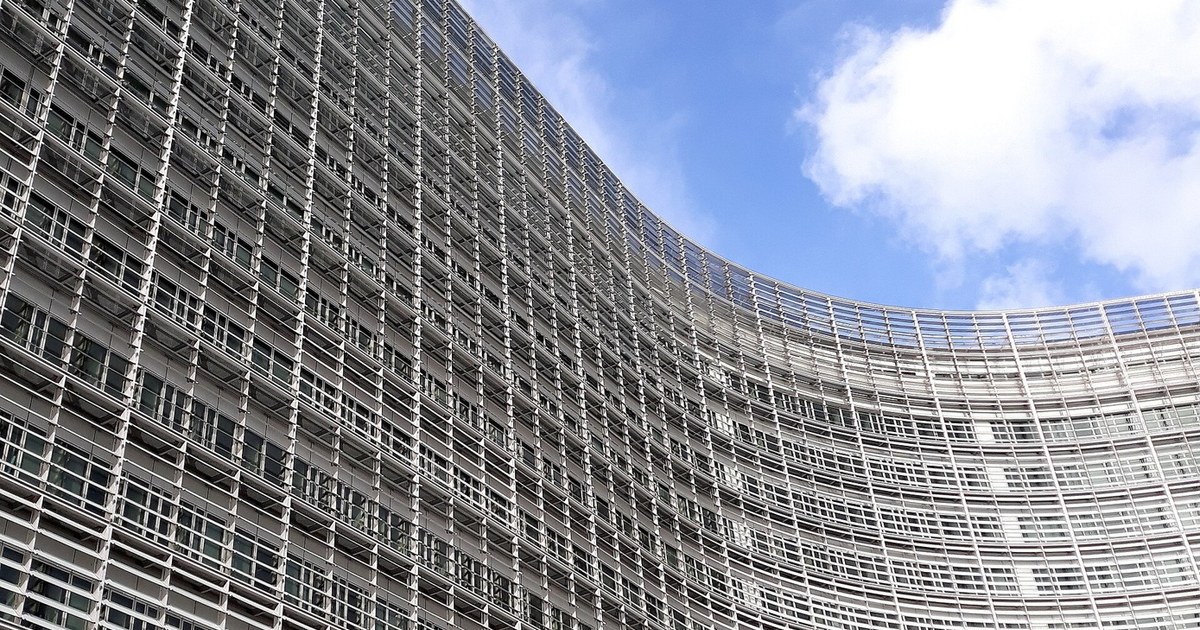
We read the official announcement, publicly accessible THE reporting and 2EU’s procedural analysis. No new interviews were conducted. The licensed photograph depicts the Commission building in Brussels, not the negotiations.
