Background and developments
Canada’s November 5 immigration plan extends a target of up to 150,000 new international student arrivals annually through 2029. For institutions affected by repeated policy changes, the development is a longer planning horizon, rather than a sudden annual increase. The PIE News reported on November 6 that the existing figures for 2027 and 2028 remain unchanged. A three-year total should not be described as a one-off expansion of available places.
IRCC places students within an annual target of 370,000 new temporary resident arrivals, comprising 220,000 workers and up to 150,000 students. A separate permanent resident admissions target includes people already studying or working in Canada. These categories measure different statuses and events. Permanent admissions cannot be added to the student figure, and national totals cannot establish a Taiwanese applicant’s chance of admission.
The government frames international education alongside housing, services and regional labour needs. Recruitment therefore remains part of a wider population and resource policy. Our analysis is that a longer horizon can help institutions plan courses and recruitment, but its practical value depends on consistent implementation. The language of an announcement alone cannot establish that demand or confidence has recovered.
The PIE cites Canadian Bureau for International Education president Larissa Bezo welcoming predictability while warning that current arrivals remain below the existing target. We did not obtain a complete annual arrivals series on a matching basis and therefore do not calculate a shortfall percentage. Her warning concerns implementation, not a second quota or a measured admission rate.
Universities Canada also supports continuity, linking predictable policy to rebuilding confidence. Both organisations represent education institutions; their perspectives do not substitute for applicant outcomes. Separating the government’s intended scale, sector expectations and eventual arrivals is necessary to assess whether the policy merely improves planning or also improves students’ experience.
For Taiwanese families, continuity in a national target is not an individual guarantee. Admission, required permission and arrival are separate steps. An aggregate cannot establish whether a particular course has places, whether documents are complete or when travel is possible. Our practical recommendation is to retain formal decisions and deadlines for each stage, rather than make non-refundable commitments from a news headline.
Graduate applicants also need to distinguish aggregate policy from their own route. IRCC maintains separate information on permits, graduate life and work after study, each with conditions to check. Extending the target to 2029 does not determine the eligibility of a degree or institution and does not place every graduate applicant into an identical expedited or document-exempt process.
The next meaningful evidence is actual arrivals measured consistently, implementation across regions and institutional recruitment changes. Families should update plans when applicable course or permit rules take effect. Current evidence establishes continuity and a longer horizon. It does not establish future success rates for Taiwanese applicants, places at a particular institution or the disappearance of processing delays.
Sources and reporting method
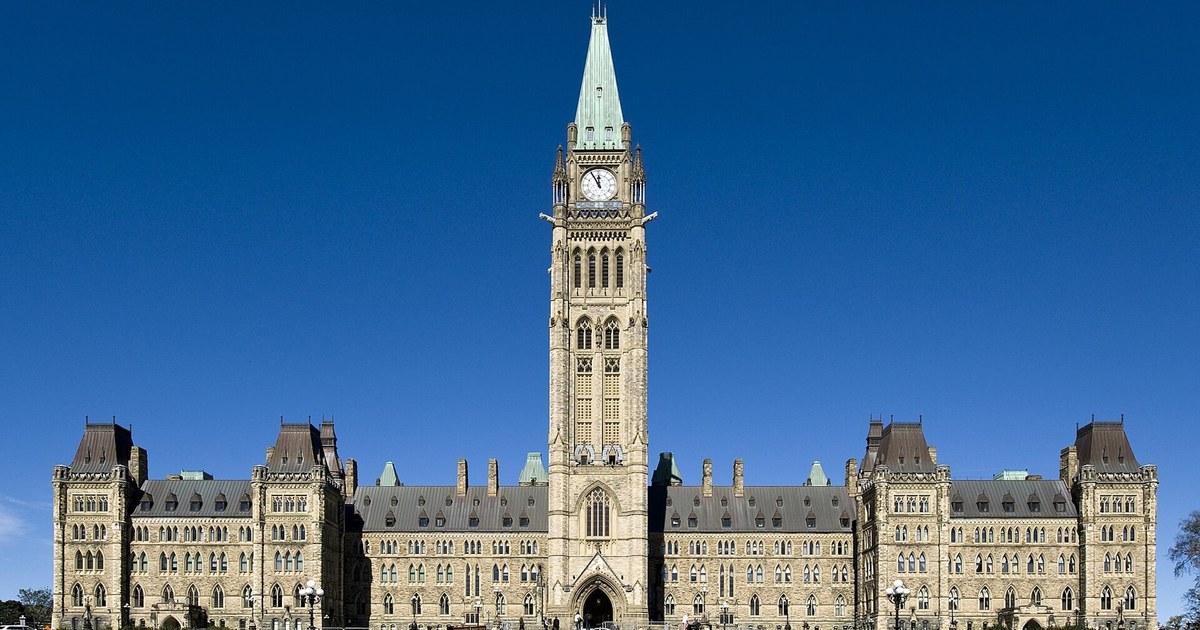
We read IRCC’s November 5 backgrounder, The PIE’s November 6 report and the graduate-study gateway. No new interviews were conducted. Family planning sections are editorial analysis. The Parliament archive photograph is not the announcement event.
