Background and developments
Korea plans full tuition support for incoming students at 30 regional national universities from 2027, expanding by cohort. On November 6, Kyuseok Kim’s Voices commentary in The PIE examined how a domestic price change might affect international recruitment at nearby private institutions. This is prospective analysis, not evidence that the policy has already shifted enrolment.
KOSAF’s current page starts with first-year students in 2027 and expands to years one through four by 2030; transfer eligibility begins separately from 2029. The list includes Pusan National University, while excluding national institutions in the capital region, public municipal institutions and certain special-law universities. Medicine, dentistry, Korean medicine, pharmacy and veterinary medicine are excluded. This is not universal free university tuition.
The programme sits within the integrated national scholarship application system and retains progression and duplicate-funding checks. Full tuition describes the supported expense, not housing, living or travel costs. We do not transfer another award’s 2026 application dates to this 2027 scheme. Applicants need the relevant cycle’s timetable and individual eligibility rules before treating an announcement as an open application.
Nationality is critical for overseas readers. KOSAF’s general national scholarship information specifies Korean nationality, and the PIE analysis concerns incoming Korean students. This does not support listing the scheme as a new Taiwanese scholarship. Any institutional international award requires its own terms and offer. Multiple funding systems at the same university do not make domestic benefits transferable to international fee accounts.
Kim asks whether the policy draws students away from the capital region or mainly shifts existing regional enrolment from private to national institutions. These are different outcomes for regional development. He does not demonstrate that either is inevitable. We therefore retain conditional language rather than present an analytical scenario as an observed recruitment statistic.
The international education connection is how private institutions respond if domestic enrolment falls. The commentary warns about recruitment growing faster than language teaching, housing and academic support. It does not establish that all regional private universities have poor quality or that every international initiative is financially driven. Institutional judgements require evidence about the particular programme, staffing and services.
Our editorial analysis is to translate recruitment promises into verifiable questions: the actual teaching language, required Korean proficiency, availability of compulsory credits and responsibility for housing confirmation. These questions do not imply documented failings at a particular institution. They help prevent a discount from becoming the sole selection criterion and place price within a complete study plan.
Families should also distinguish regional development policy from an individual graduate’s employment plan. A funding scheme does not establish the availability of suitable jobs or a retention commitment for an international student. Industry partnerships should be checked for relevance to the intended degree and cohort, rather than assessed through company names alone. This is a limitation of the evidence, not a prediction of unemployment.
The next evidence should cover budget implementation, detailed rules, actual enrolment changes and international support capacity. The official page establishes scope and a phased design. It does not establish effects on regional population, private-sector finances or Taiwanese students’ choices. Keeping that boundary allows policy reporting without turning untested possibilities into facts.
Sources and reporting method
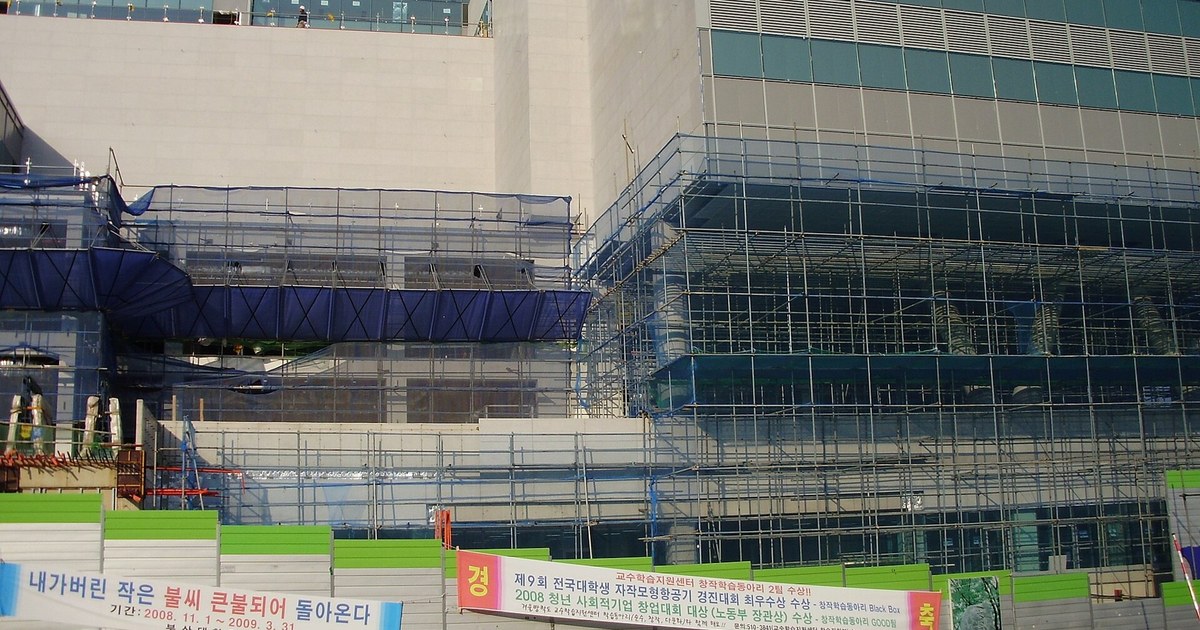
We read KOSAF’s programme and general nationality rules and the signed PIE commentary. Translation assisted interpretation of Korean; no verbatim quotations or new interviews are used. This is follow-up policy analysis with an archive photograph of Pusan National University.
