Changes at Japan’s women’s universities raise questions beyond whether men can enrol next year. Heian Jogakuin announced plans on October 5 for coeducation and a new name from 2028, alongside a proposed transfer of its child-education faculty to another university. This November 7 follow-up compares the announcement with outside reporting and examines implications for future entrants. It does not present October’s decision as breaking news.
Heian Jogakuin’s announcement envisages a Kyoto campus focused on international tourism under the proposed name Kyoto Chiiki Kyoso University. The child-education faculty at Takatsuki is planned to move to International Pacific University in April 2028, subject to an approval application. This is more than replacing a sign. Different faculties would follow different institutional paths, so applicants need to identify their intended programme before interpreting the transition.
The notice preserves several boundaries: the school corporation keeps its name, its junior and senior high schools continue educating girls, and the kindergarten remains under the existing corporation. University coeducation therefore does not mean the entire school system becomes mixed, and transferring one faculty does not establish that every campus will move. Distinguishing corporation, university, faculty and campus prevents shorthand recruitment language from being overinterpreted.
An October 9 Seoul Economic Daily report, drawing on Japanese reporting and expert commentary, describes enrolment pressure: Heian Jogakuin’s student population fell from 627 in 2022 to 354 this year. These are two observations for one institution, not a national average or an international admission rate. The report also presents the view that changing educational and career choices among women matter alongside demographic decline.
That makes a simple demographic explanation incomplete. Widening eligibility may enlarge the potential applicant pool, but demand still depends on programmes, location, cost and subsequent opportunities. Our editorial analysis treats restructuring as a set of educational and organisational decisions to be evaluated. Looking only at the removal of a gender restriction may obscure faculty changes and whether the proposed curriculum has actually been published.
Kinjo Gakuin University in Nagoya offers a comparison. Its July 3 announcement links coeducation from April 2029 with a transfer of institutional responsibility. Chunichi Shimbun separately reported the board decision and alumni consultation on July 5. The two institutions have different timelines and procedures. The shared word “coeducation” does not make them one completed reform; years can separate a board decision, regulatory steps and the first affected intake.
Independent reporting adds perspectives beyond an institutional decision. Chunichi describes an alumni survey process, but the material reviewed does not provide results that justify claiming unanimous support or opposition. Seoul Economic Daily also identifies its English version as AI-translated from Korean and cautions about translated quotations. We attribute its analysis without turning an English rendering into a purportedly exact Japanese interview quotation.
Taiwanese students entering in 2027 or 2028 could study across a transition date. More concrete questions than speculation about a new name on a résumé concern the faculty on an offer, the degree-awarding institution, completion of the original curriculum and which arrangements cover the intake year. These require written institutional answers. We did not obtain complete transition rules for every cohort and therefore guarantee neither compulsory transfer nor unchanged conditions.
The next evidence to watch is approval, formal admissions guidance and published curricula, rather than naming announcements alone. Heian Jogakuin says further details of tourism education will follow, itself showing that information remains incomplete. Coeducation may expand options, but an announcement cannot establish places, scholarships or employment outcomes. Recording unresolved questions allows a study plan to change when evidence arrives instead of letting a headline substitute for the plan.
Sources and reporting method
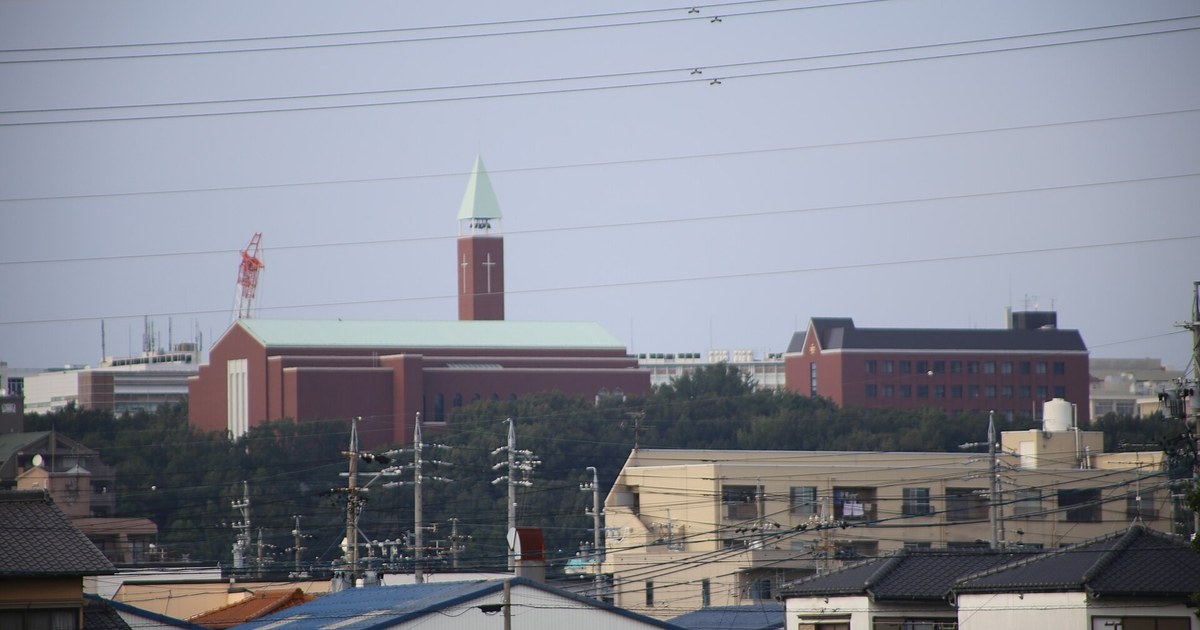
We read both institutional announcements, Chunichi Shimbun and Seoul Economic Daily. This is a November 7 follow-up retaining July and October event dates, with no new interviews. The Korean outlet’s machine-translation limitation is disclosed and no verbatim foreign-language quotations are used. The archive image shows Kinjo Gakuin, not Heian Jogakuin.
