Background and developments
Australia’s education-agent sector is debating common minimum standards. A November 9 report by The PIE News says AIECA favours mandatory minimum accreditation within a co-regulatory model. This does not introduce a new certificate Taiwanese applicants must obtain. It raises questions about oversight and conflicts when families rely on advisers for course choices, documents and payments.
The report describes Assistant Minister Julian Hill’s openness to a light-touch approach rather than a costly licensing system. Models are still being explored. Discussion is not enacted legislation, and there is no basis to claim every agent has passed a new common review. Any duties, enforcement arrangements and commencement dates require formal policy documents.
Existing responsibilities fall on education providers. The Department of Education’s National Code Standard 4 requires ethical and honest agent conduct in students’ interests. TEQSA explains that it regulates higher education providers rather than endorsing individual agents. Outsourcing recruitment does not remove institutional responsibility for agreements, monitoring and corrective action.
AIECA’s website describes annual certification, continuing professional development and quality checks, with a public directory envisaged. This is the association’s account of its scheme, not government registration or an independent assessment of every member. A badge should prompt questions about validity, covered staff and offices, and accessible review findings.
In The PIE’s interview, the association argues for competence beyond a fee or brief course, alongside commission transparency, complaint investigations and accountability for offshore or subcontracted agents. These are proposals, not verified universal practice. Affordability for small firms and duplication of university checks also matter; additional accreditation cannot simply be equated with guaranteed quality.
Our practical recommendation is to consult the institution’s official agent list and retain written details of the adviser, services and charges. Establish who advises, who submits applications and which services cost extra. This is a checking method grounded in provider responsibilities, not a declaration that every listed firm suits every student or that every unlisted individual acts unlawfully.
Ask why a shortlist contains particular institutions, whether commissions apply and what alternatives exist outside the adviser’s partnerships. A commission is not automatically improper, but its role should be understood. Course suitability, total costs and refund conditions should be traceable to institutional documents rather than verbal promises or promotional success stories.
Before paying, identify the adviser’s complaint process, the university contact for application problems and any formal escalation route, then retain correspondence. This article does not rank Taiwanese agencies or estimate the risk reduction a proposed system might deliver. The confirmed development is an active reform debate alongside continuing institutional responsibilities.
Sources and reporting method
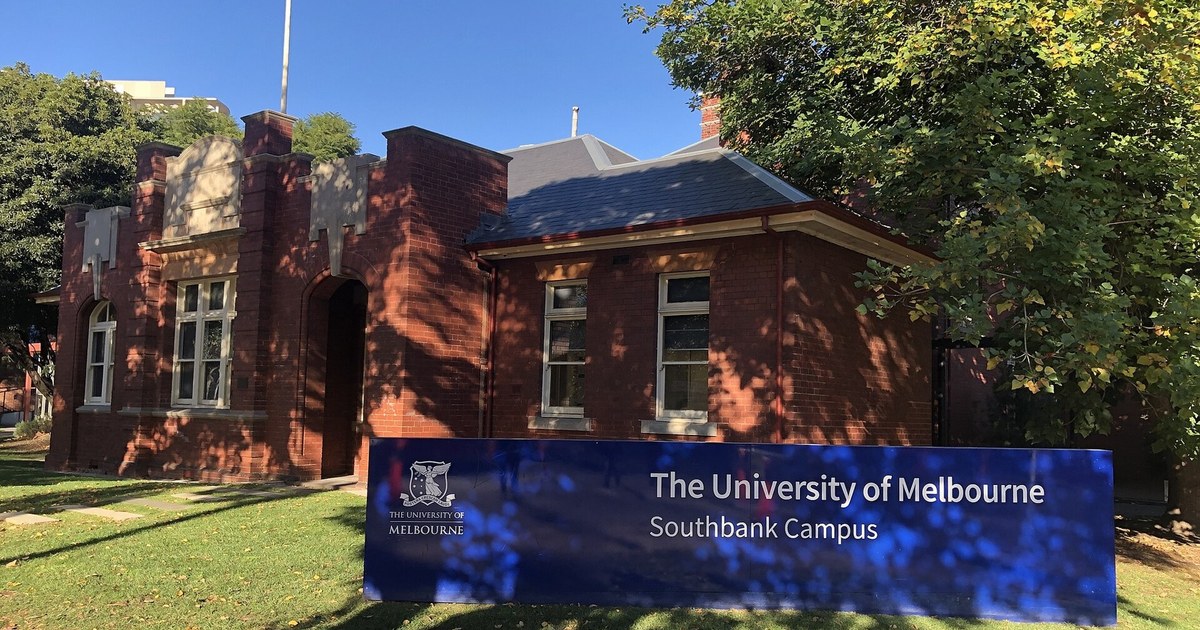
We read Standard 4, TEQSA, AIECA and original PIE reporting. No new interviews were conducted. The photograph shows the University of Melbourne, not the symposium.
