PETER'S COLUMN Views and Analysis
Credits are not classroom hours: Peter on ECTS and choosing a European master’s
Use EU and Aalto guidance to distinguish workload, study duration and capabilities.
Original date: Facebook displayed November 2, 2026, 12:18 when checked on November 3. The record follows the platform display without inferring an undisplayed year or time zone; View original post ↗
Peter advises comparing more than the number of months in a European master’s degree. ECTS links learning outcomes to overall workload, including reading, assignments, research and assessment preparation, rather than classroom hours alone.
The European Commission describes 60 ECTS as a full academic year and master’s degrees as usually 90 or 120 ECTS. This is an overview, not a universal course structure. Aalto’s official glossary uses about 27 hours of student work per credit, making five credits approximately 135 hours. That institutional convention is not a fixed rule for all of Europe.
Peter recommends comparing core courses, electives, dissertations or projects and assessment in three target programs, then mapping the expected workload into a calendar. The original illustrative students are fictional, not testimonials. More credits or longer study do not automatically guarantee quality, employment or admission.
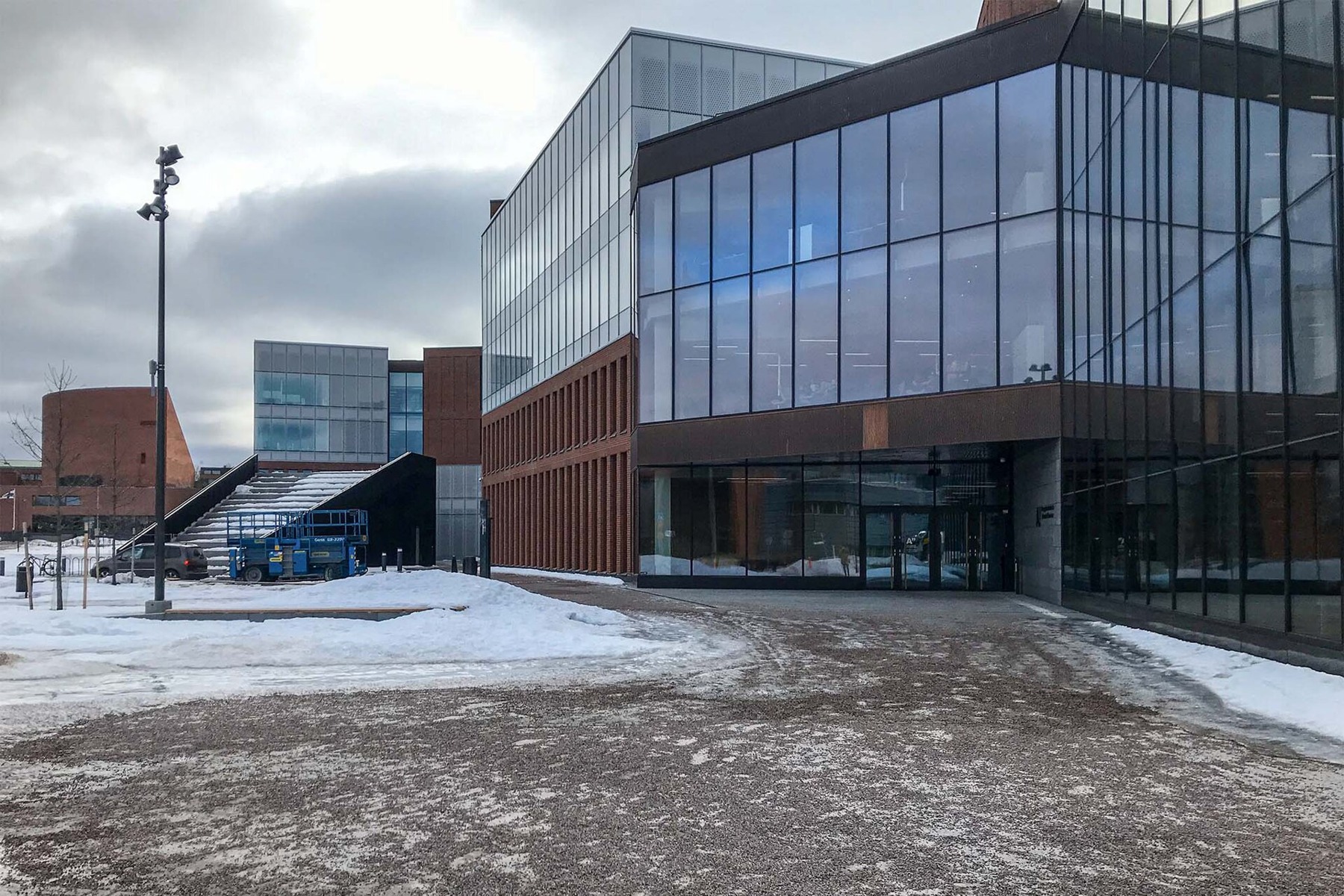
Editorial reminder: ECTS does not guarantee automatic transfer. Receiving institutions still assess course content. Budget for the whole degree with a contingency, without assuming employment will cover a shortfall. This authorised summary has been checked against official sources; the photograph shows Aalto’s campus.
