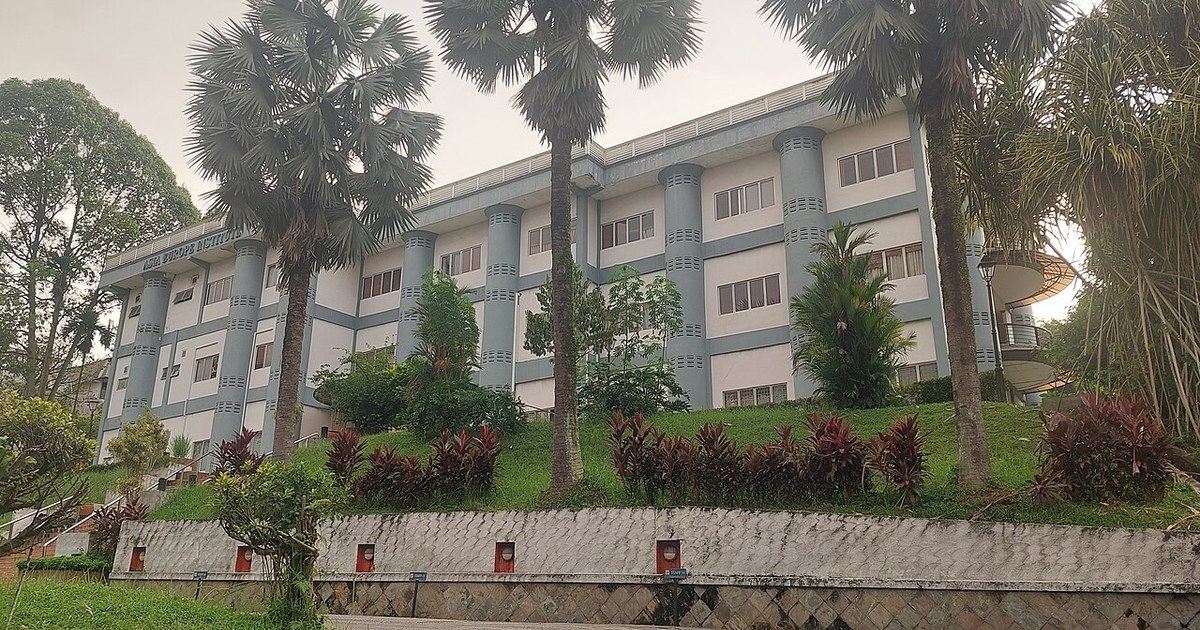
Malaysia's Blueprint for Higher Education 2026-2035 includes Global Policy as one of the 10 strategic transformations aimed at expanding international student sources, cross-border education and student mobility. ISEAS-Yusof Ishak Institute ' s independent policy analysis points out that blueprint setting In 2035, 500,000 international students were attracted Objective.
Existing foundations and target gaps
ISEAS Analytical Reference 2024 137,000 members International students, about 55 per cent of the previous target. This shows that 500,000 is not the current number, nor has it been approved, but is the policy target for the next decade; School capacity, quality control, accommodation, visa and graduation development affect actual results.
Official figures on student movements and visas
The blueprints of the Ministry of Higher Education were in 2024. 14,624 inbound and 10,448 outside Students move with people. According to the official authorities, the new visa application is required on a complete basis. 9 days Renewed contracts 3 days ; New applications with incomplete information may be extended to 23 days 。 These are the process performances in the blueprint, which vary from the same number of days that each student has promised to complete in the same day.
Policy focus goes beyond just increasing numbers
The blueprint also proposes to improve the international student experience, expand the diversity of sources, strengthen the cross-cultural environment, simplify the transfer of credits and promote educational diplomacy. The ISEAS analysis reminds us that the education hub strategy may be unbalanced if it seeks only numbers while ignoring domestic demand, student diversity and regional advantages.
Meaning to Taiwan students and parents
While there may be a continuous increase in English language teaching, cross-country branching and regional mobility options in Malaysia, national level targets do not represent the same quality for each school or curriculum. Before applying, the following should be confirmed by each school:
- (b) Whether the curriculum and the award of degrees are officially accredited in Malaysia;
- Timescale for international student visas and documents;
- Language of instruction, internships and post-graduation work regulations;
- (b) Tuition, accommodation and refund provisions;
- The conditions for the award and transfer of degrees from international branches.
For families in Taiwan, it would be more practical to include Malaysia in the English-speaking Asian course destination comparison, with official information on individual courses replacing “national goals” as the basis for final decision-making.
