At the beginning of the new school year in Canada, international students who qualify for out-of-school work have to pay renewed attention to the maximum weekly working hours. According to the current regulations of the Department of Immigration, Refugees and Citizenship of Canada (IRCC), Out-of-school work during normal classes for up to 24 hours per week ; Officially scheduled leave at school allows eligible persons to work full-time.
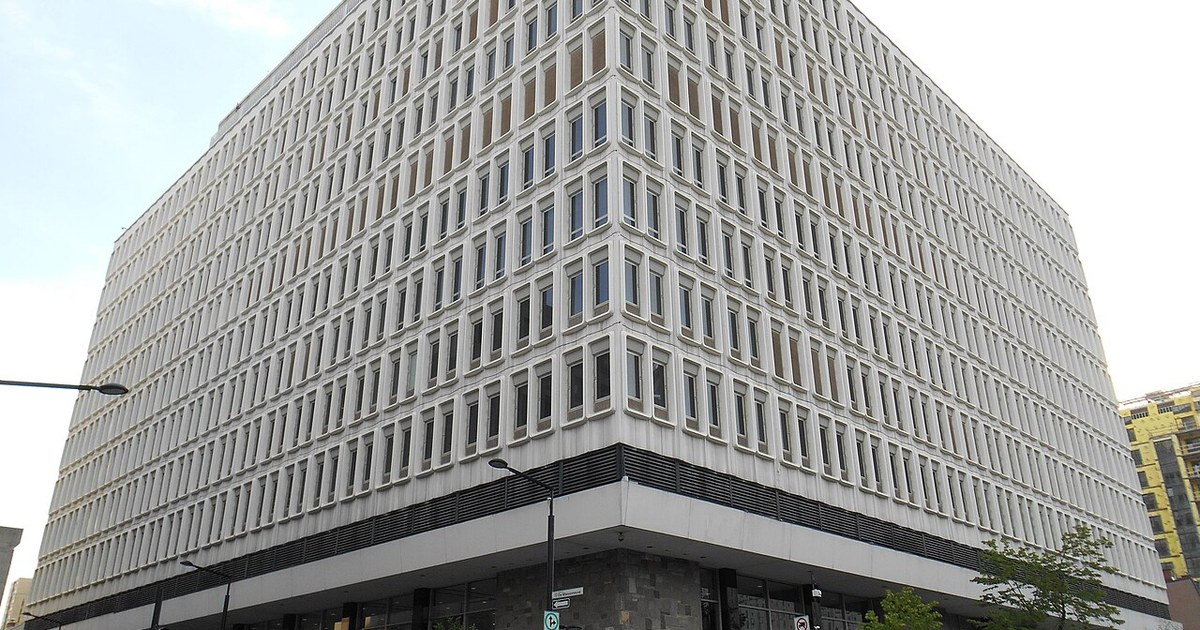
Concordia University, the International Student Office further explained that if the summer is not a mandatory school term for students, eligible people can be 4 May-7 September 2026 Full-time out-of-school work; Work outside school resumes to a maximum of 24 hours per week as of 8 September 。
24 Hours is not a new temporary provision, but the established limit for the duration of the school year
The IRCC official page clearly indicates that international students who qualify for out-of-school work may perform more than one job during the general term or during the period of the semester, provided that the total number of out-of-school hours does not exceed 24 hours a week.
If students still have the old version of "20 hours" on their story, the official is still allowed to work up to 24 hours a week, provided they continue to meet IRCC's out-of-school working conditions.
In contrast, eligible students are exempt from the 24-hour ceiling for officially scheduled school holidays, such as summer holidays, winter holidays or reading weeks. IRCC also reminds that single-day national holidays or long weekend holidays do not in themselves constitute scheduled break.
Which students can work out of school?
The ability to work outside school cannot be determined solely by whether or not they hold a student visa. According to IRCC, it is generally required to include: holding a valid student permit, starting a school, attending a designated learning institution (DLI), usually a full-time student, and pursuing a qualified academic, vocational or professional training course.
If the student is in the middle of a school, has not started a course, or is not actually in school during a transfer, he or she can't assume that he or she can continue out-of-school work because he or she still has a student.
More than 24 hours may affect student status
IRCC made it clear that working outside school for more than 24 hours per week during the normal school term was a violation of the condition of the student permit. The consequences may include loss of student status, influence of future status or work application, or even a request to leave the country.
Thus, for students with multiple part-time, hourly or commission jobs, the time worked by each employer cannot be counted separately, but all out-of-school work records are kept and the total number of hours is calculated.
Implications for Taiwanese students and families
If a student from Taiwan is enrolled in Canada during the summer holidays, he or she should immediately return to school to confirm the official day of the school's fall term and the registration of his or her own curriculum, rather than the working hours of the summer holidays.
In the case of Concordia University, the duration of full-time out-of-school work in 2026 was extended to 7 September and to return to a maximum of 24 hours per week as of 8 September. Academic calendar is not exactly the same in different schools, so other school students are subject to their own DLI official term as defined by the scheduled break.
Families planning to study in Canada should also be assessed separately from the actual cost of living for " legal working hours " . Part-time arrangements permitted under student visas should not be considered as a major source of financial resources, and applications must still meet the financial certification requirements of IRCC.
