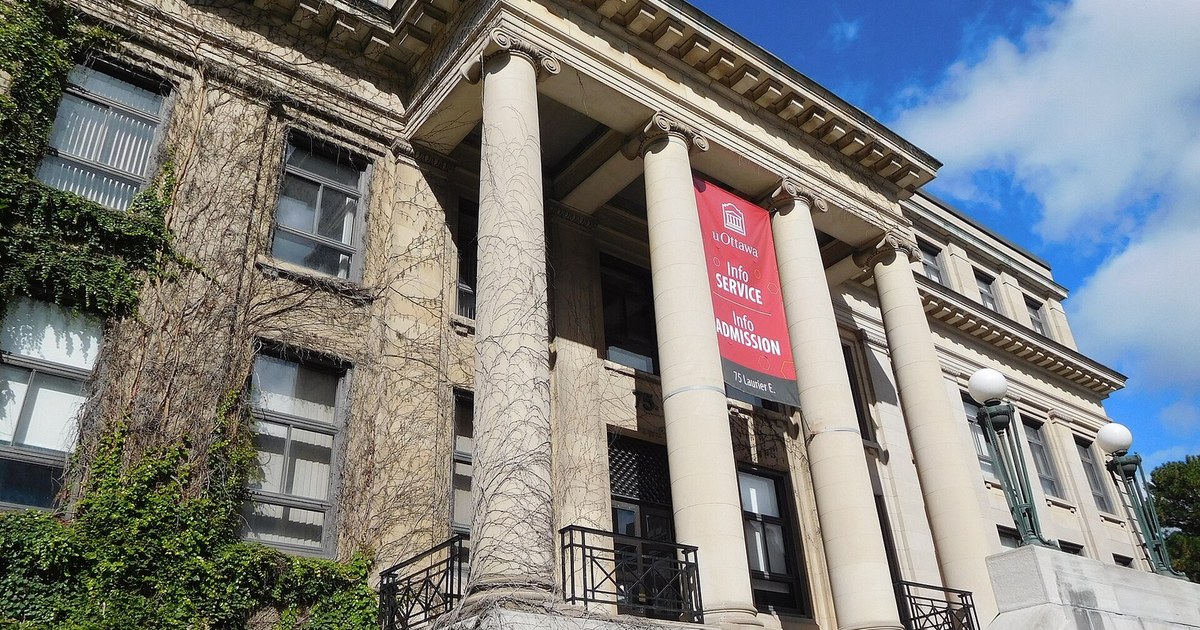
Canada announced on November 17 that it would contribute CAD850,000 over three years to support an additional 850 Canadian students studying at Chinese universities through the Canada Learning Initiative in China (CLIC). A separate item concerns a proposed 3+1 undergraduate dual degree between the University of Ottawa and Shanghai International Studies University. The developments inform Taiwanese readers about Canada’s international education direction; they do not create 850 scholarships directly available to Taiwanese applicants.
An expansion of exchanges, not an individual award schedule
The government says CLIC has supported more than 1,200 Canadian students since 2016. The additional 850 is a participation target, while CAD850,000 is the government’s three-year contribution. The announcement does not itemise each participant’s travel, tuition or living support, or establish a uniform duration. Dividing the total by the target would not yield a guaranteed individual award.
That distinction matters for a family budget. Exchange funding can involve different activities, delivery costs or cohorts; until organisers specify the terms, the announcement establishes the scale of the commitment. For any exchange, applicants should obtain their individual award amount, eligible expenses and payment schedule before calculating what they must pay upfront, rather than relying on a headline funding total.
The degree memorandum is a separate initiative
The Ottawa–SISU memorandum seeks to develop a 3+1 undergraduate dual degree drawing on international studies, modern languages, French studies and diplomacy. It describes development of a programme rather than supplying a complete admissions prospectus. Appearing alongside CLIC in a diplomatic announcement does not establish that degree participants receive CLIC funding or that exchange students automatically obtain two degrees.
When reading a structure such as 3+1, students need the rules for each stage: where study takes place, which institution awards each qualification, which credits transfer, and whether progression has academic or language thresholds. A label supplies a framework, not an individual progression agreement. If a programme is still being developed, keep other application routes available until the institutions publish the details.
Diplomatic rapprochement supplies context, with competing concerns
DW’s November 17 report, drawing on Reuters and dpa, places education cooperation within a rapprochement and efforts to reduce dependence on the United States. It also notes concerns in Canada about security and values. This context helps explain the policy direction, but it is not an individual travel assessment and does not establish that every obstacle to educational cooperation has disappeared.
At university level, commitments become usable opportunities through credit arrangements, course coordination, practical support and named contacts. Government objectives and institutional delivery are different stages. Our analysis is that useful follow-up should track clear course information, selection procedures, costs and assistance when problems arise, rather than the number of signing ceremonies.
Taiwanese students in Canada should first check their status
The announcement refers to Canadian students. Enrolment in Canada alone does not establish compliance with a programme’s nationality or status rules. Taiwanese students interested in mobility can ask their own international office about applicable agreements and funding, without importing another group’s eligibility conditions. Home-university rules, available partner places and host requirements all need separate confirmation.
Families should distinguish an exchange, a degree and travel arrangements. Obtain written answers about credit toward the original degree, any effect on graduation timing and who receives payment. Improved transport or diplomatic relations do not automatically change individual entry-document requirements. The sources reviewed here do not determine the travel or visa route available to a particular Taiwanese student.
Next, watch admissions documents and funding allocation
What can be confirmed is the funding announcement and the institutions’ memorandum to develop a degree. The statement does not establish individual deadlines, allocations by institution or first-cohort admissions requirements for the dual degree. Current documents from CLIC and participating universities should govern subsequent decisions. For Taiwanese readers, the value is early awareness of the direction while retaining the distinction between a commitment and an operational programme.
The Canadian government statement supplies the funding, participation target and memorandum details; DW provides independent diplomatic context. Academica’s education digest is supplementary and is not counted as a second independent policy source. Questions for families are editorial analysis, not invented interviews or successful applications.
