The official 2026 National Planning Level is 295,000 new overseas student commencements. The education department’s public-university allocation factsheet dates the announcement to August 4, 2025. It concerns new starts and institutional allocations, not all international students or guaranteed enrolments. This revision removes the earlier shorthand equating the planning instrument with a straightforward admissions cap.
Allocations support planning, while recruitment still depends on student choice, admission, visas and arrival. The factsheet describes additional allocations and considerations including housing and Southeast Asian engagement. Available institutional planning space therefore does not establish a vacancy in a particular degree or a favourable visa decision. Families need separate answers from the relevant decision-makers.
ABC’s September 25 Adelaide University report compares 16,677 international students with 20,820 at its predecessors a year earlier. These are total student counts, not allocation-use rates. Its reported first-semester shortfall of about 40% concerns the university’s target, not a statement that 60% of a government allocation was used. The merged institution’s transition also limits national generalization.
In his October 30 speech, Julian Hill acknowledged policy changes, competition and living costs, and outlined review of South Asian financial-capacity settings. November consultation and an interest in other countries’ deposited-funds approaches were prospective steps. They do not establish an implemented Australian deposit scheme or a newly announced financial threshold for Taiwanese students.
ABC’s October 30 independent coverage places the response alongside university revenue and refusal pressures. Forecast losses and projected declines are not completed annual financial results. Our editorial reading method is to identify the period, population and unit before comparing reports. A numerical gap becomes interpretable only when the sources describe comparable groups.
Taiwanese applicants should keep course fit, affordability and student support separate from market headlines. Slower recruitment is relevant context, but active marketing does not establish lower admission standards. Scholarship offers require checks of intake, programme and renewal conditions; reported spare capacity does not mean a discount will automatically follow.
Before travel, obtain written confirmation of offer conditions, start dates and deferral arrangements and follow the official visa process. Treating planning space as a personal guarantee can encourage premature non-refundable spending. Treating one university’s decline as proof of national educational deterioration is equally unsupported. We assess neither institutional financial safety nor an individual’s graduation or employment prospects from recruitment counts.
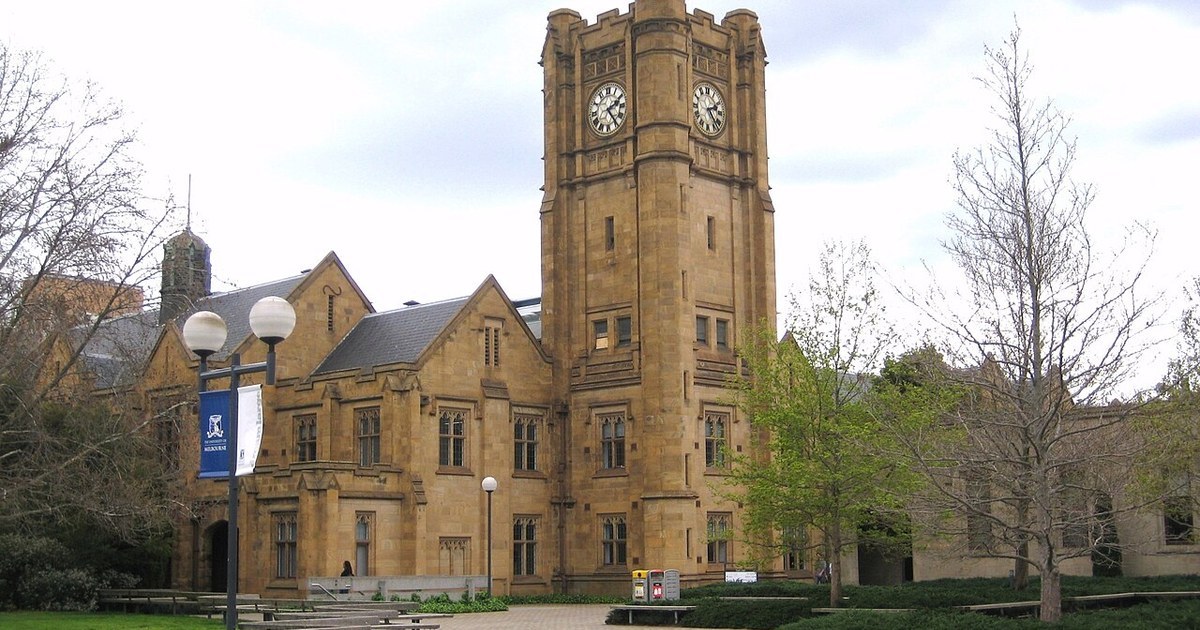
Follow comparable official enrolment data, enacted policy documents and published university accounts, retaining their revision dates. November consultation should not be reported as effective legislation. The Adelaide reporting illustrates measurement differences rather than supplying an invented national ratio. The licensed image depicts Melbourne’s Old Arts Building, not Adelaide or the policy event.
Sources and reporting method
Substantively revised on November 8 while preserving the original publication date. We rechecked official documents and independent reporting. No additional interviews were conducted. Student decision guidance is editorial analysis; dates and scope of public evidence are identified separately.
