For Taiwanese families comparing US universities, internationalisation can sound like a recruitment slogan. International Education Week, taking place on 16–20 November, offers a concrete opportunity to examine whether a campus connects cultural activities with accessible study-abroad planning, language learning and cross-cultural participation. Events cannot guarantee outcomes, but they give prospective students specific services to investigate.
NAFSA announced on 22 October that it would continue the annual observance with AIEA, the Alliance for International Exchange, AIRC and the Forum on Education Abroad. The statement describes this as the associations' second year continuing a tradition historically led jointly by the US Departments of State and Education. It is an education-sector initiative, not a new government admissions or visa policy.
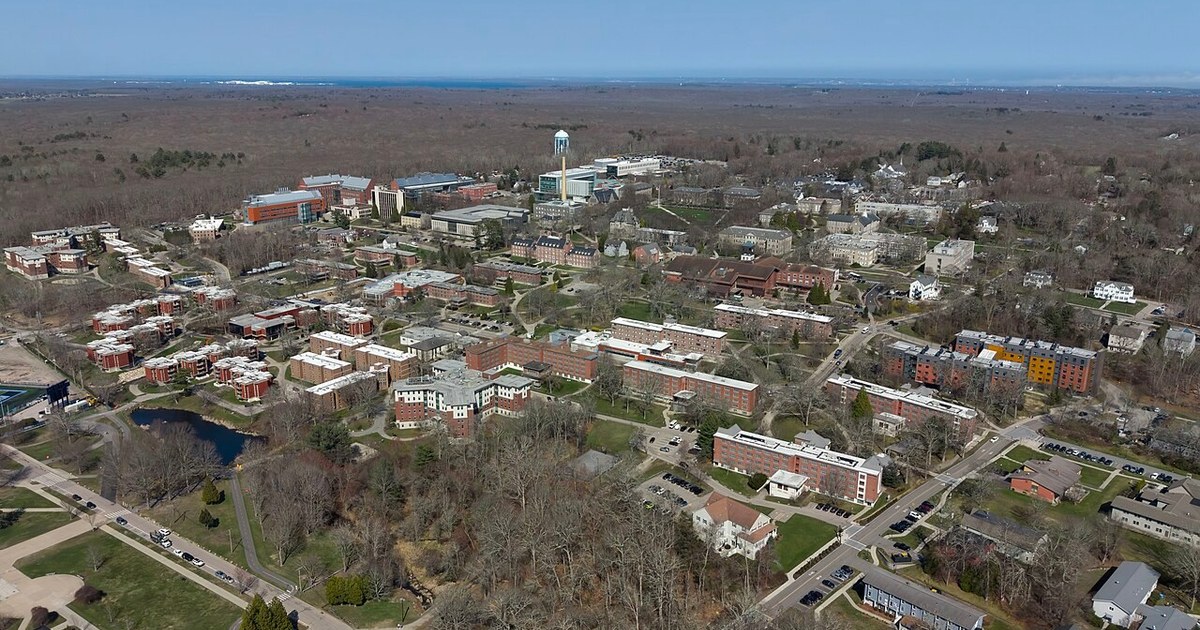
The University of Rhode Island's separate campus announcement of 12 November describes student exchange stories, a language celebration, a cultural festival and information on travel insurance, collaborative online learning and international students. These sources answer different questions: the associations set out the sector-wide initiative, while the university reports its own programme. One institution's schedule cannot establish what every US university provides.
In the campus report, professor Soni Pradhanang argues that a cultural festival's value extends beyond food and performances to dialogue and understanding. This is an involved faculty member's perspective, not a research finding proving the programme's effectiveness. Applicants can use it to ask whether international students participate in shared learning rather than merely appearing as nationalities in a recruitment brochure.
As editorial guidance, students considering an exchange or short programme can identify the office responsible for applications and ask what advice remains available after the event. A student panel can reveal useful questions, but credit recognition, prerequisites and budgets still require individual checks. Another student's experience cannot replace an answer tied to the applicant's own year, discipline and status.
Degree-seeking families can similarly examine the transition from recruitment to support after arrival. The office answering admission questions may not handle housing, academic difficulties or adjustment. Families can request named departments, service hours and appointment procedures, then consider whether those arrangements are understandable to a newcomer unfamiliar with university systems.
For parents, a lively festival is only one observation. For students, participation can begin with a question connected to a personal goal, such as access to collaborative courses or beginner-friendly language activities. Keeping an official contact and an actionable next step is more useful for planning than treating attendance counts as proof of international competence. This is editorial analysis of how to use the published programme.
The evidence establishes the observance and URI's announced programme, not attendance, learning gains, recruitment growth or employment outcomes. Visa and employment sessions are information entry points rather than substitutes for case-specific checks. Interested readers should consult the host university for audience restrictions, locations and changes, and distinguish publication dates from any actual registration deadline.
Useful follow-up will include whether institutions publish lasting resources and connect student questions with regular services. Families can use the week to compare specific support arrangements without turning a single event into a university ranking. Practical international education information should help a reader identify whom to ask, what to ask and how the answer changes an application or exchange plan.
