Background: From strategy to implementation
The PIE News reported on the ESAG action plan in various areas on 25 September 2026. The Government summarized the plans as a follow-up to the International Education Strategy of January 2026, which was proposed by six core members after consulting with their respective fields of education and implemented until 2030.
Key figures and ranges
Officially, actions are grouped in seven main directions, including market promotion, information and market intelligence, quality and qualification recognition, learning flows, export and transnational education, implementation capacity, and integration of British education programmes; The goal of £40 billion per year in education exports in 2030 covers enrolment and a wide range of educational services and is not an income or student scholarship budget that has been achieved.
Major changes and constraints
The plan proposes to improve the English-language training continuum, the quality of education across borders, recognition of qualifications and international learning opportunities, and the identification of implementation constraints such as student accommodation; This is the course of work in the various fields of education, and it cannot be claimed that all schools have new places, language thresholds have been relaxed or student visas have been changed.
Implications for Taiwanese students and families
Editorial observation: in future, when comparing transnational cooperation courses, the place of instruction, degree award institutions and the existence of specific announcements; Applications should continue to be based on the current requirements of individual schools and competent authorities, and should not be replaced by national strategies for admission or visa clearance.
Source and Photo Authorization
- British Government: Summary of action plans in various areas of the International Strategy for Education (PDF)
- The PIE News: ESAG Action Plan Report, 25 September 2026
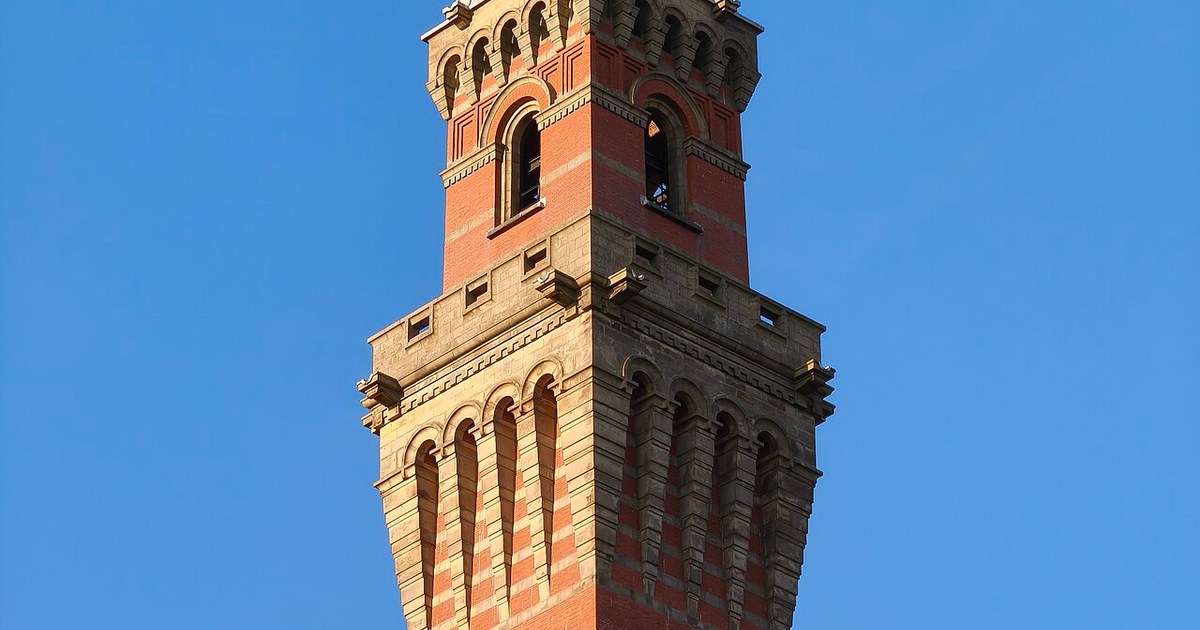
- Photo Source :Athikhun.suw,2026-08-01,CC BY 4.0 , the original figure has not been modified; School and traffic information.

