From an agreement to a funding call
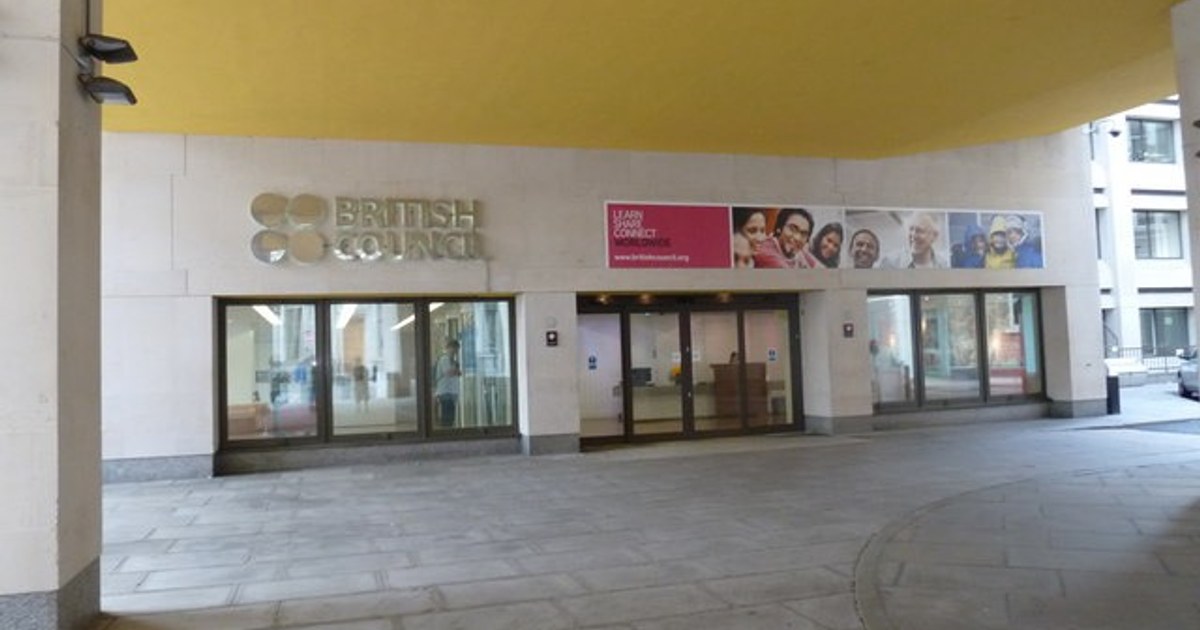
On 18 November, the British Council announced that UK organisations could apply for a new round of Erasmus+ funding, worth around £400 million across higher education, schools, vocational education and training, adult education, youth and sport. For Taiwanese students planning to study in the UK or already enrolled there, the practical next step is to ask whether their institution will participate and which courses or activities might offer mobility places.
This is not a £400 million scholarship pot that individuals can claim through one application form. Eligible organisations apply first and then offer opportunities to learners, students or staff. The European Commission’s 2027 call, also published on 18 November, likewise distinguishes organisational applications from individual participation through those organisations. Student interest does not establish that an institution has secured funding, and institutional funding does not automatically give every student a place.
The return to Erasmus+ and the meaning of the figures
The Associated Press independently reported the UK–EU agreement to return to Erasmus on 17 December 2025, placing it in the context of rebuilding relations after Brexit. That report supplies historical context, not evidence that the present funding call is open. We therefore separately checked the current British Council announcement and European Commission call, distinguishing the earlier agreement, participation in 2027 and the opening of organisational applications now.
A 9 November House of Commons Library briefing describes a UK contribution of around £570 million for 2027 and notes that participation and financial terms beyond 2027 require further agreement. That contribution is not the same measure as the roughly £400 million available in the UK funding announcement. One describes the national contribution to the programme, the other the announced funding available to organisations. Subtracting them would not establish a loss of student grants.
Opportunities extend beyond university exchanges
The British Council identifies approximately £170 million for UK higher education institutions accredited under the Erasmus Charter for Higher Education, around £100 million for vocational education and training, and £70 million for schools. These are approximate sector allocations, not individual awards. Potential participants should first identify the relevant education sector and their organisation’s eligibility rather than estimating a personal grant from the overall budget.
Activities can extend beyond a semester abroad to short learning experiences, job-shadowing, professional development and partnerships. The Commission’s 2027 call includes digital technologies, AI for learning, teachers and basic skills among its priorities, and estimates around 1.6 million mobility participants across the programme. That programme-wide expectation is not directly comparable with the UK beneficiary estimate and should not be presented as an achieved outcome.
Funding availability is not a departure date
Most projects are expected to receive initial funding in summer 2027, according to the British Council. That is an anticipated funding timetable, not a common departure date for all exchange students. Institutions still need to develop applications, work with partners, organise selection and address credit recognition. Applicants choosing an intake should ask whether actual activity dates fit their course rather than assume that “2027” guarantees mobility in their first semester.
The implications for Taiwanese students depend on their actual enrolment and the relevant project. The announcement does not set out every scenario involving Taiwanese nationality, so we do not describe the call as a universally available Taiwanese scholarship. Students already in the UK can ask their international office about course participation, destinations, selection and covered costs. Those still in Taiwan should establish whether a relevant route would exist after enrolment.
Budget comparisons should distinguish costs that may be supported from costs guaranteed to be fully paid. Travel, accommodation and other participation expenses may receive support, but the actual institutional award, uncovered costs and payment schedule determine the cash a family needs. This is an editorial implication of the application process, not a claim that a particular institution has published a complete package. Unconfirmed support should not yet be deducted from a study budget.
The next useful developments will be institutional project announcements, student selection rules and actual funding decisions. Renewed UK participation creates possibilities for educational cooperation, but a usable opportunity requires defined eligibility, timing, costs and learning arrangements. Following the chain from the organisational call to individual conditions turns a large budget announcement into actionable study information.
Sources and reporting method
We read the British Council and European Commission calls dated 18 November 2026, and cross-checked the agreement’s context, contribution and participation period against AP’s independent report of 17 December 2025 and section 2.7 of the Commons Library briefing dated 9 November 2026. AP’s older article is not independent confirmation of the new call. The PIE’s announcement-based coverage is not counted as an additional independent source. We conducted no interviews.
