Fee exposure reflects uncertainty over arrival
RTÉ reported on November 15 that several Irish universities expected more than EUR8 million in fee-income exposure linked to international-student visa refusals. These are institutional expectations gathered by the broadcaster, not audited losses across all Irish universities or a refusal rate for Taiwanese students. For families, admission and timely arrival remain separate planning questions.
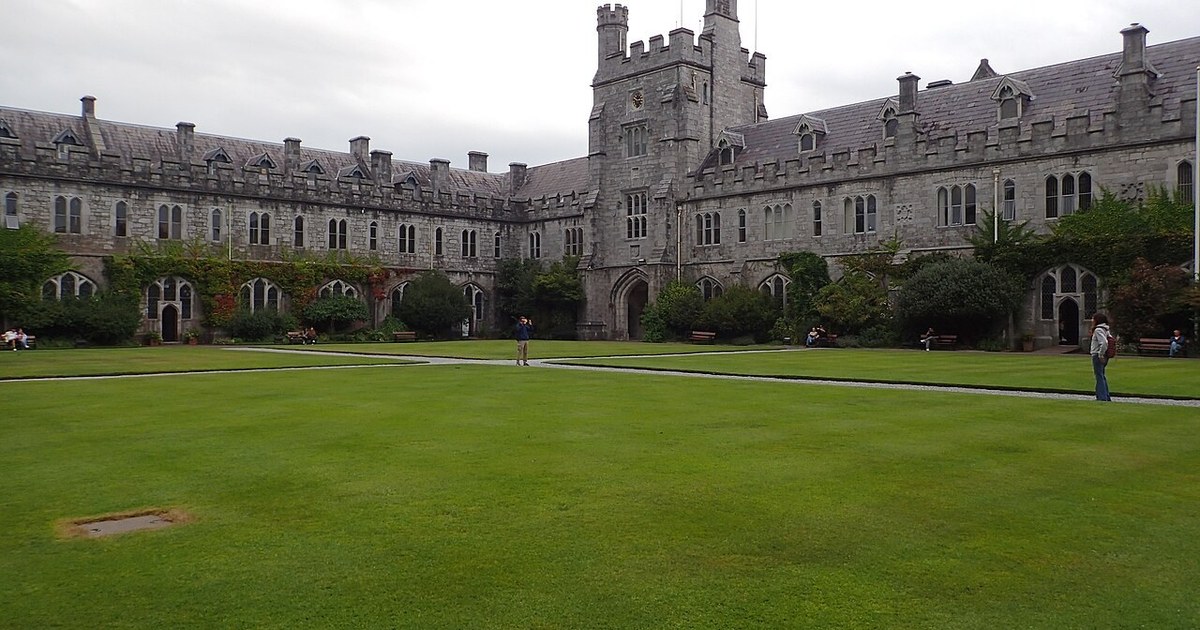
The reported estimates include EUR3.7 million at University College Cork, EUR1.39 million at Munster Technological University, EUR1.2 million at Atlantic Technological University and EUR2.1 million at Technological University Dublin. Their reporting dates and deferral or withdrawal circumstances differ. A separate association forecast for another year should not be added as though it were a directly comparable total.
Institutions and government address different questions
University and sector representatives interviewed by RTÉ raised concerns about recruitment, research and programme planning; some institutions had adjusted budgets. The justice department told the broadcaster that policy, criteria and assessment methods were unchanged and refusals could be appealed. Operational consequences and stated rules address different questions; reduced income does not itself establish a newly announced universal cap.
Refusal, processing delays, voluntary withdrawal and deferred entry are not interchangeable. Each can move expected fees out of a particular semester but requires a different response. Our analysis is that readers should check the reporting year, student population and treatment of deferrals before comparing the largest financial figures in headlines.
Check admission, visas and registration separately
Irish Immigration study guidance says non-EEA, non-Swiss students need enrolment documentation and paid fees. Visa requirements depend on nationality, and stays beyond 90 days require registration. The distinction matters: different passports do not necessarily follow the same visa process, and visa-free travel does not remove long-term study formalities.
Taiwanese families should not infer their own probability from cases involving other nationalities. Check the official pathway for the passport actually used, course duration and status, then ask the institution about documents and arrival deadlines. Anyone using different nationalities or travel documents should confirm the relevant route; this report does not determine individual eligibility.
Plan for the consequences of a delayed start
Practical questions include the last arrival date, whether deferral is available and written fee-retention or refund terms. Accommodation and travel have their own cancellation conditions; institutional approval to defer does not automatically change those contracts. These are planning questions, not claims that the universities in the report have refused refunds.
Applicants can ask how a change in cohort size would affect their programme and student support. Recruitment-related financial pressure warrants attention but does not prove that all courses will close or teaching quality will fall. Specific programme commitments and support contacts are more useful comparisons than treating one financial estimate as a verdict on an entire university.
The evidence establishes institutional concern over arrivals and income but cannot support a risk model for Taiwanese applicants. Developments to watch include formal programme arrangements, government processing data and appeal guidance. Students receiving a delay or refusal notice should retain its date, reasons and deadlines and follow the official process rather than copying conditions from someone else case.
