For Taiwanese students attending high school in France and applying for university in 2027, which cohort is affected by reports of a replacement admissions platform? On October 26 the government outlined a two-year sequence separating changes to applicant information from a new system. This update follows the October 9 report on protests with the government’s subsequent commitments and pending decisions.
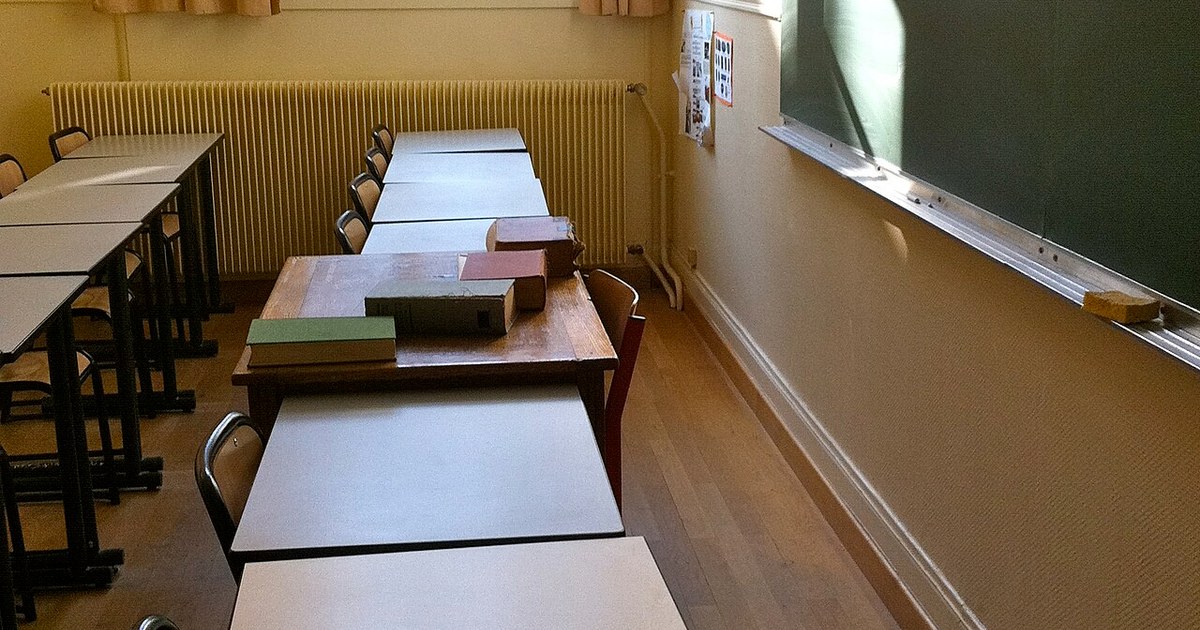
On October 6, the ministry announced that from the following day principals would set aside half a school day for students to discuss difficulties and expectations. Other lessons would continue. Schools could choose timings that suited local circumstances, so an image of a closed school entrance did not establish the schedule at another school.
Le Monde reported from Paris, Marseille and Lyon. University students interviewed in Marseille described their earlier protest experience and why some still felt classroom discussion was insufficient. That reporting adds a perspective absent from the ministry’s announcement: providing a channel for participation does not establish whether participants feel heard.
For October 8, Le Monde attributed about 71,500 marchers nationwide to the Interior Ministry. Around 55,000 young people also demonstrated outside schools, some later joining larger gatherings. Adding these counts would double-count some people moving between locations and produce an unsupported total.
The education ministry counted participation among staff. It reported 0.82% overall, 0.99% for teachers and an estimated 2.57% at general and technological high schools. Toulouse, Nantes and Corsica were excluded. These measures compare covered staff groups. They cannot be converted into student attendance figures.
The online consultation closed October 23. On October 26 the government reported over 100,000 contributions considered alongside school discussions. That is a volume of submissions, not a representative national student vote. The total does not establish the share supporting any proposal. The subsequent measures and their timelines provide the more useful evidence.
For 2027, the government aims to publish intelligible selection criteria for each program and explain refusals in June. For families comparing preferences, this affects what they can learn about decisions and when. Qualification requirements still depend on the course and application route. A national policy cannot predict an individual offer.
The proposed successor system is intended for the 2028 cycle. A committee involving students, teachers and ministers is expected to issue initial recommendations by the end of November. Changes requiring legislation would go through Parliament. At this November 11 recheck, the treatment of continuous assessment remained under discussion. Current applicants should follow the portal and dates for their own cycle.
The government also plans a cap of 28 pupils for the first general and technological upper-secondary year in the less advantaged half of schools from the 2027 school year, before expanding it. This matters to exchange families, but does not indicate whether a university program will offer more places. School class assignments, admissions notices and committee recommendations merit separate follow-up.
Sources and reporting method
This November 11, 2026 update retains the original October 9 publication date. It uses publicly available official and independent sources and attributes interview material to the outlet that gathered it.
