Taiwanese students comparing Hong Kong degrees need to identify their qualification and application status as well as the deadline. EdUHK’s international-qualifications undergraduate applications for 2027/28 opened October 5, with the early round closing November 16, 2026. At this November 10 recheck that deadline remained ahead, but earlier submission does not guarantee admission; complete documentation and course suitability remain central.
The dates page lists January 6, 2027, for the main round and May 7 for the late round, subject to revision. Rolling assessment allows applicants awaiting final examination results to apply and update them later, but cases missing required documents are not considered for interview. Permission to supply future results later does not remove the obligation to provide other required evidence.
The Taiwan qualification entry currently describes GSAT English at the top benchmark and three other subjects, including Chinese, at the average benchmark, alongside other qualification routes. These are published entry conditions rather than observed admission scores or a guarantee. The page also retains an older AST examination reference; applicants using a different or newer examination should seek confirmation rather than assume equivalence.
English evidence and academic entry conditions should be read separately. The qualification page identifies Taiwanese examination English results and links to general requirements, while individual programs may impose additional conditions. English-medium schooling or an international credential should not be treated by a news summary as automatic satisfaction of every rule. A clear inventory of available and pending evidence can make questions to admissions more precise.
Application status is not determined solely by residence. EdUHK separately explains non-local status, so students should choose the route appropriate to their documents and qualifications instead of assuming that everyone living in Taiwan uses one form or fee category. No personal documents were reviewed here. Funding mode, degree title and duration also need clarification before tuition and living-cost comparisons become meaningful.
The intake sits within Hong Kong’s expansion of non-local capacity. RTHK’s February 14 report of a radio interview with Education Secretary Christine Choi described the relevant cap rising to 50 percent of local places from 2026/27. The denominator is local places: this does not require half of all students to be non-local, nor does the system ceiling establish EdUHK’s actual allocation for each program.
The interview also addressed accommodation capacity and future hostel provision, illustrating the link between recruitment and living infrastructure. For families, an academic offer and accommodation confirmation remain separate matters. Territory-wide planned beds do not establish an individual student’s allocation. This is a planning implication, not evidence of a current EdUHK housing shortfall or a judgment about its services.
The university schedules interviews and offers across December 2026–May 2027, with separate accommodation and orientation stages. Applicants should monitor the system and official email and read each condition attached to an offer. When comparing several institutions, confirmation, payment and document deadlines are more informative than simply treating the earliest response as the best choice.
Students interested in education should distinguish an academic award, practical placements and future teaching eligibility. An education-related course description does not establish permission to teach in every jurisdiction; additional training or recognition depends on the intended workplace. This is a useful question for the department, not a confirmed entitlement to a Taiwanese teaching qualification or a substitute for the relevant authority’s assessment.
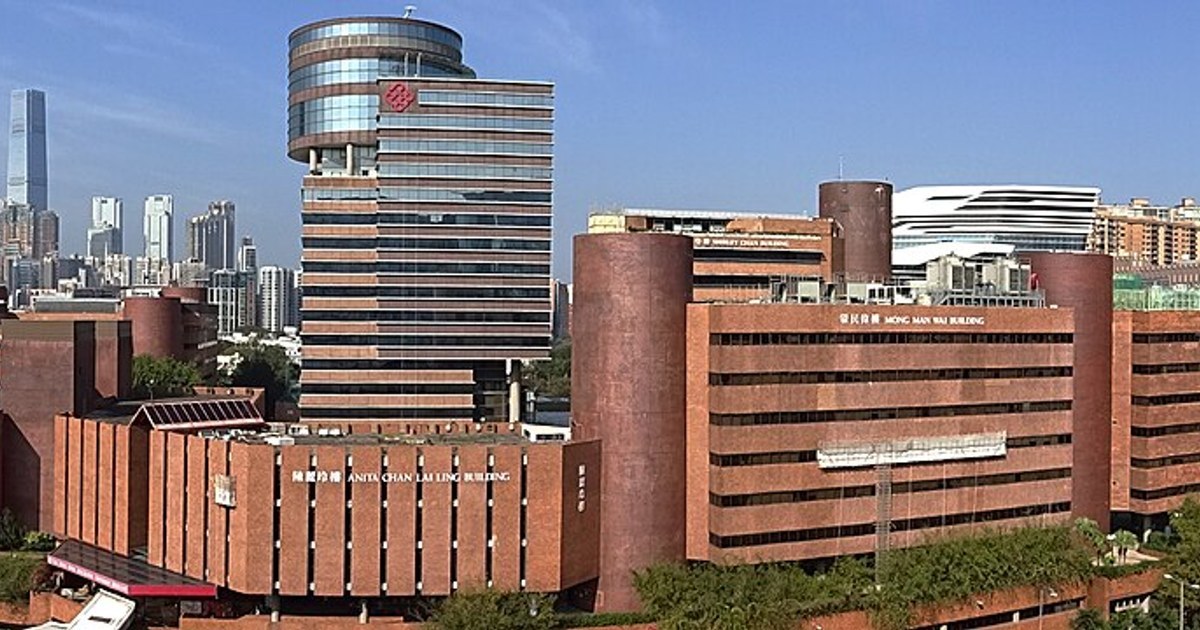
This revision uses EdUHK’s dates, qualification and status pages as primary sources and RTHK’s original interview coverage as independent context, rather than treating a deadline aggregator as a second set of admission rules. It preserves the October 10 publication date and identifies the November recheck. The photograph shows Hong Kong Polytechnic University as general higher education context, not EdUHK or this admissions process.
Sources and reporting method
Rechecked and substantially expanded on November 10, 2026, with the original publication date retained. This report uses public original documents and identified sources without on-site interviews. Current information is distinguished from the original timeline; unpublished individual outcomes are not inferred.
